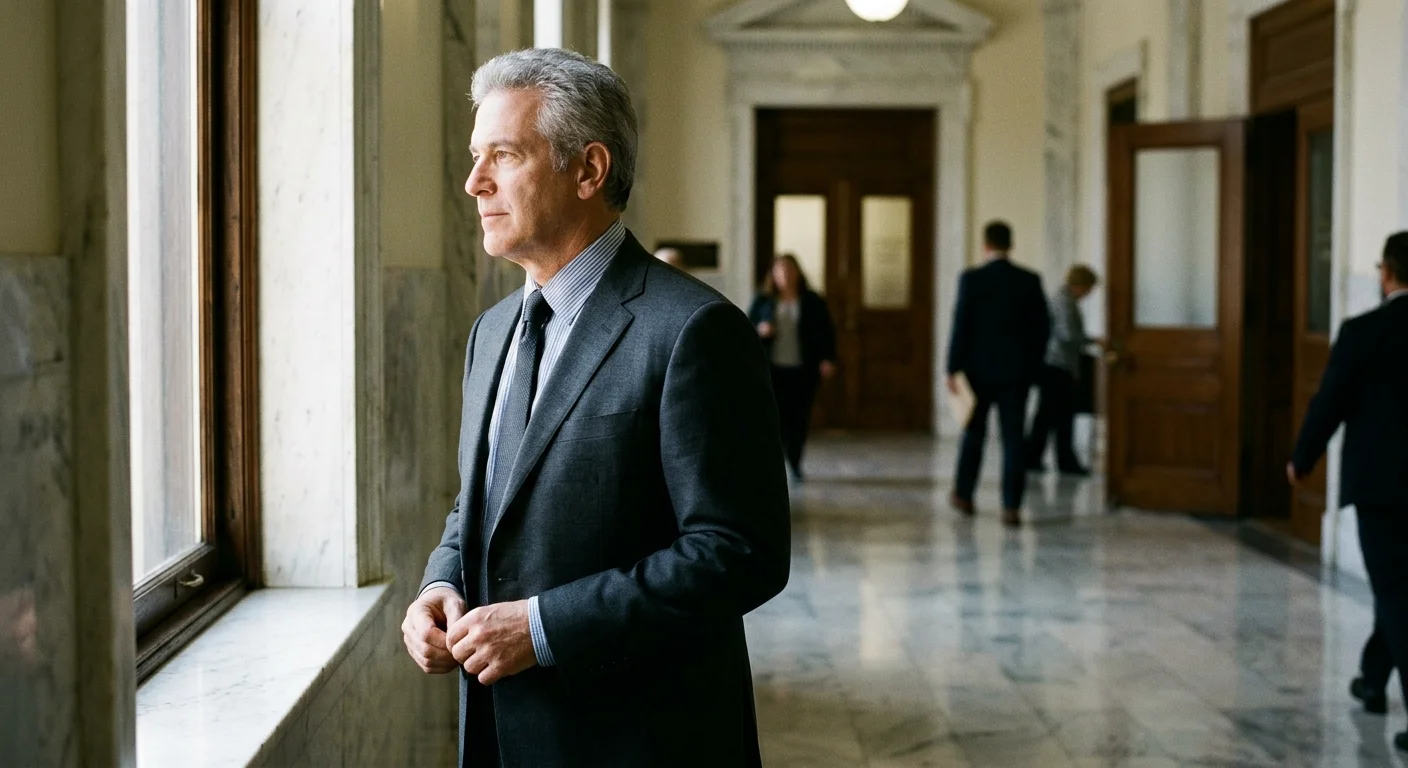
Bruce Altman is an American film and television actor best known for playing doctors, lawyers, and other authority figures in movies such as Regarding Henry, Quiz Show, and Matchstick Men. Born in 1955, he has worked steadily in film and TV since the late 1980s, building one of the more recognizable character-actor résumés of his generation.
Who Is Bruce Altman
Bruce Altman was born on July 3, 1955, in the Bronx, New York. He is not related to director Robert Altman, despite the shared last name. Over a career spanning more than three decades, he has appeared in dozens of films and television series, usually cast in roles that call for a calm, credible presence: physicians, attorneys, executives, and law enforcement officials.
He is not a household name in the way a leading man might be, but his face is familiar to anyone who has watched American film or network television since the early 1990s.
Early Life and Training
Before he became an actor, Altman worked as a teacher at an alternative high school. He later trained in New York City with acting teacher William Hickey and studied at the William Esper Studio, a well-known conservatory for Meisner-technique training.
He went on to earn his MFA from the Yale School of Drama, graduating in 1990. That combination of classroom teaching experience and conservatory-level acting training helps explain the grounded, naturalistic quality that has defined his screen work ever since.
Breaking Into Film With Regarding Henry
Altman made his motion-picture debut in 1991 with Regarding Henry, the Mike Nichols drama starring Harrison Ford as a lawyer who suffers a brain injury and has to relearn how to live. Altman played Bruce, a close friend of Ford’s character, marking his entry into studio filmmaking after years of stage and television work.

The role set a pattern that would follow him through much of his career. Directors kept casting him in parts that required credibility rather than flash: the friend, the colleague, the professional in the background who makes a scene feel real.
Building a Career Through the 1990s
The decade that followed put Altman in front of some of the most respected filmmakers working at the time. He appeared in Glengarry Glen Ross (1992) as Mr. Spaniel, in My New Gun (1992), and took the title role in Mr. Wonderful (1993). That same year he played Jack Bradfield in Rookie of the Year and appeared in Mike Figgis’s Mr. Jones.
In 1994, he had roles in two very different studio films: Robert Redford’s Quiz Show, a drama about the 1950s game-show scandals, and Ron Howard’s The Paper, a newsroom comedy-drama. A few years later, he joined the ensemble cast of Cop Land (1997) as Counselor Burt Kandel, working alongside Sylvester Stallone and Robert De Niro.
By the end of the decade, Altman had also appeared in The Object of My Affection (1998) as Dr. Goldstein and in Girl, Interrupted (1999) as Professor Gilcrest. Each part was smaller than a lead role, but together they built a body of work that studios and casting directors clearly trusted.
Working With Notable Directors
Part of what stands out about Altman’s filmography is the range of directors who have hired him more than once or sought him out for specific projects. He worked with Ridley Scott on Matchstick Men (2003), with James Mangold on both Girl, Interrupted and Cop Land, and with James Foley on Glengarry Glen Ross and later on Fifty Shades Darker and Fifty Shades Freed.
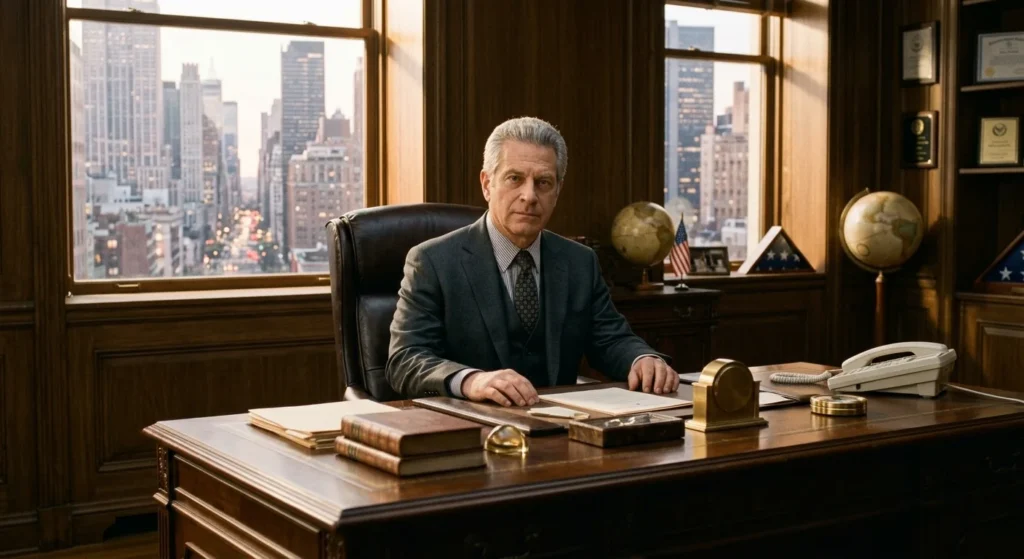
He also appeared in films directed by Nancy Meyers (It’s Complicated), Roger Michell (Changing Lanes and Morning Glory), Gary Winick (Bride Wars), Ken Scott (Delivery Man), and Patricia Riggen (Miracles From Heaven). That list covers comedies, dramas, and studio franchise films, which says something about how casting directors have viewed his range.
Television Work and Recurring Roles
Altman’s television résumé is just as extensive as his film work, and it is where many viewers have likely seen him most often. He has made repeated appearances across the Law & Order franchise over more than two decades, playing different characters in different episodes, including a defense attorney, a physician, and a mayor.
On Blue Bloods, he played Mayor Frank Russo, a recurring character in the CBS drama’s early seasons. He also had guest roles on New Amsterdam, where he played Dr. Lewis Prender, and on Law & Order: Special Victims Unit and Law & Order: Criminal Intent in separate guest appearances.
This kind of recurring guest work is common for character actors with strong training and a reliable presence on set. Producers on long-running procedurals need actors who can walk in, deliver a believable performance in a day or two of shooting, and move on, and Altman has built a career partly on being exactly that kind of actor.
Recent Film Roles
Altman’s film work has continued well into the 2010s and beyond. He appeared in Nicholas Jarecki’s Arbitrage (2012) alongside Richard Gere, in David Gordon Green’s The Sitter (2011), and in Big Miracle (2012), where he played a chief of staff. He also had a role in Miracles From Heaven (2016), directed by Patricia Riggen.
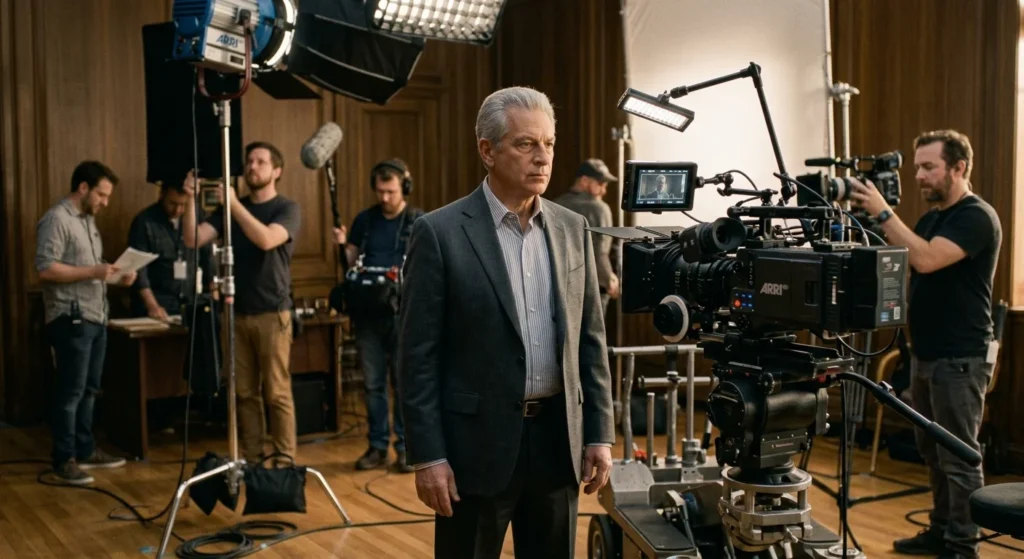
Earlier in that stretch, he appeared in Bride Wars (2009) and It’s Complicated (2009), both released the same year, along with Changing Lanes (2002) and Morning Glory (2010) for director Roger Michell. He also joined the Fifty Shades franchise, appearing in Fifty Shades Darker and Fifty Shades Freed under James Foley’s direction, and worked with Ken Scott on Delivery Man.
Why Bruce Altman Keeps Getting Cast
Altman’s career is a useful example of how a working actor builds longevity without ever becoming a headline name. He is not chasing leading roles, and his filmography does not read like a star’s. Instead, it reads like the résumé of someone directors trust to walk onto a set, understand exactly what a scene needs, and deliver it without requiring much direction.
His conservatory training at Yale, combined with years of stage work and studio-level acting instruction in New York, gave him a technical foundation that has translated across genres, from courtroom dramas to studio comedies to network procedurals. That range, more than any single breakout role, is likely the reason casting directors and filmmakers have kept calling him back for more than thirty years.